Wiped-Film Evaporation, On-Site Nitrogen Generation and Nitrogen Blow-Down Working as One Extraction Chain
Environmental laboratories are asked to find pesticides and persistent organic pollutants in water at nanogram-per-litre levels. Meeting those limits is less a question of instrument sensitivity than of sample preparation: extracting litres of water, cleaning up the extract, and concentrating it to a fraction of a millilitre — gently, reproducibly and without introducing a single blank. This brief describes how three ANVORE platforms combine into one continuous pretreatment chain.
1.THE TRACE-ANALYSIS CHALLENGE IN WATER
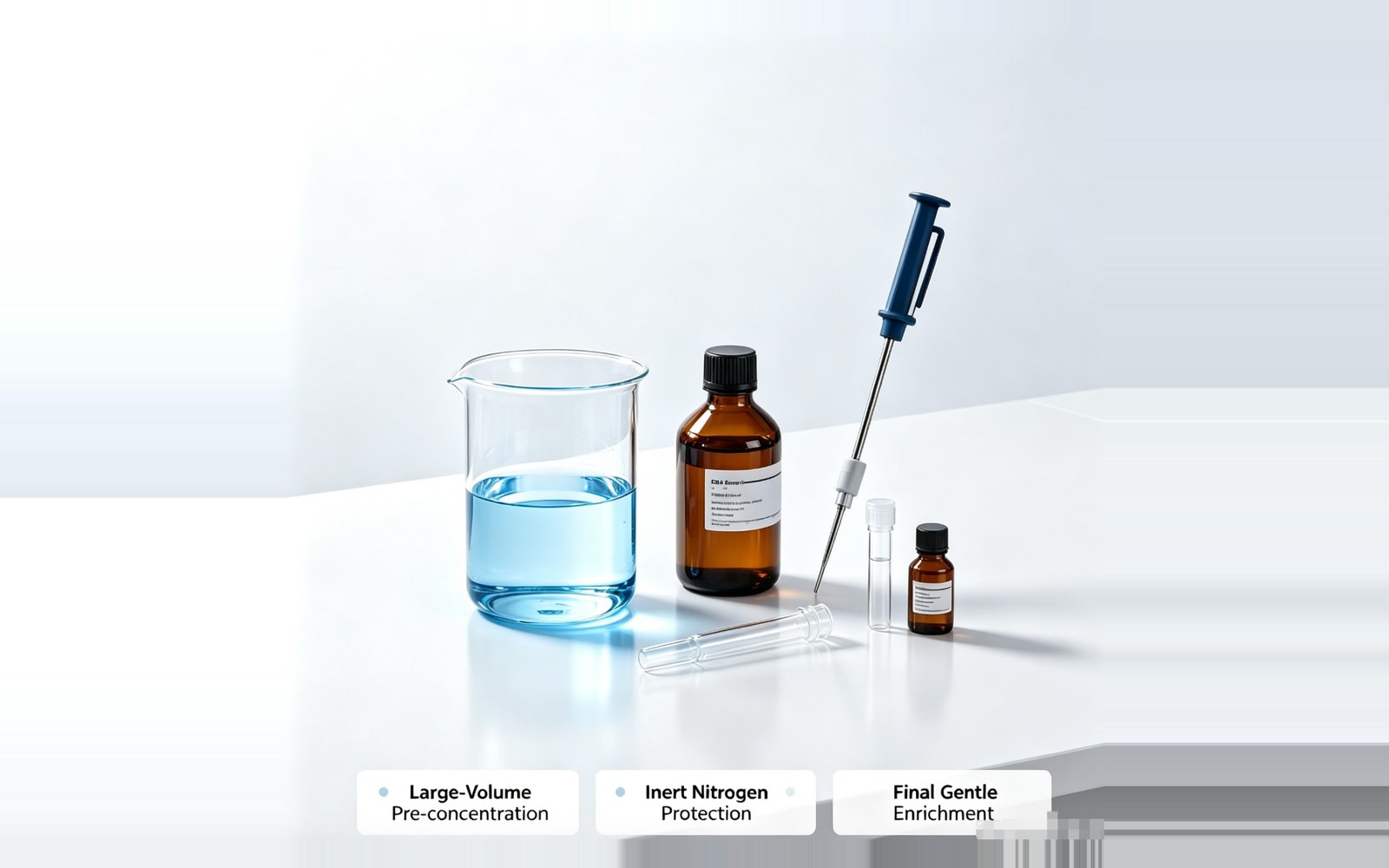
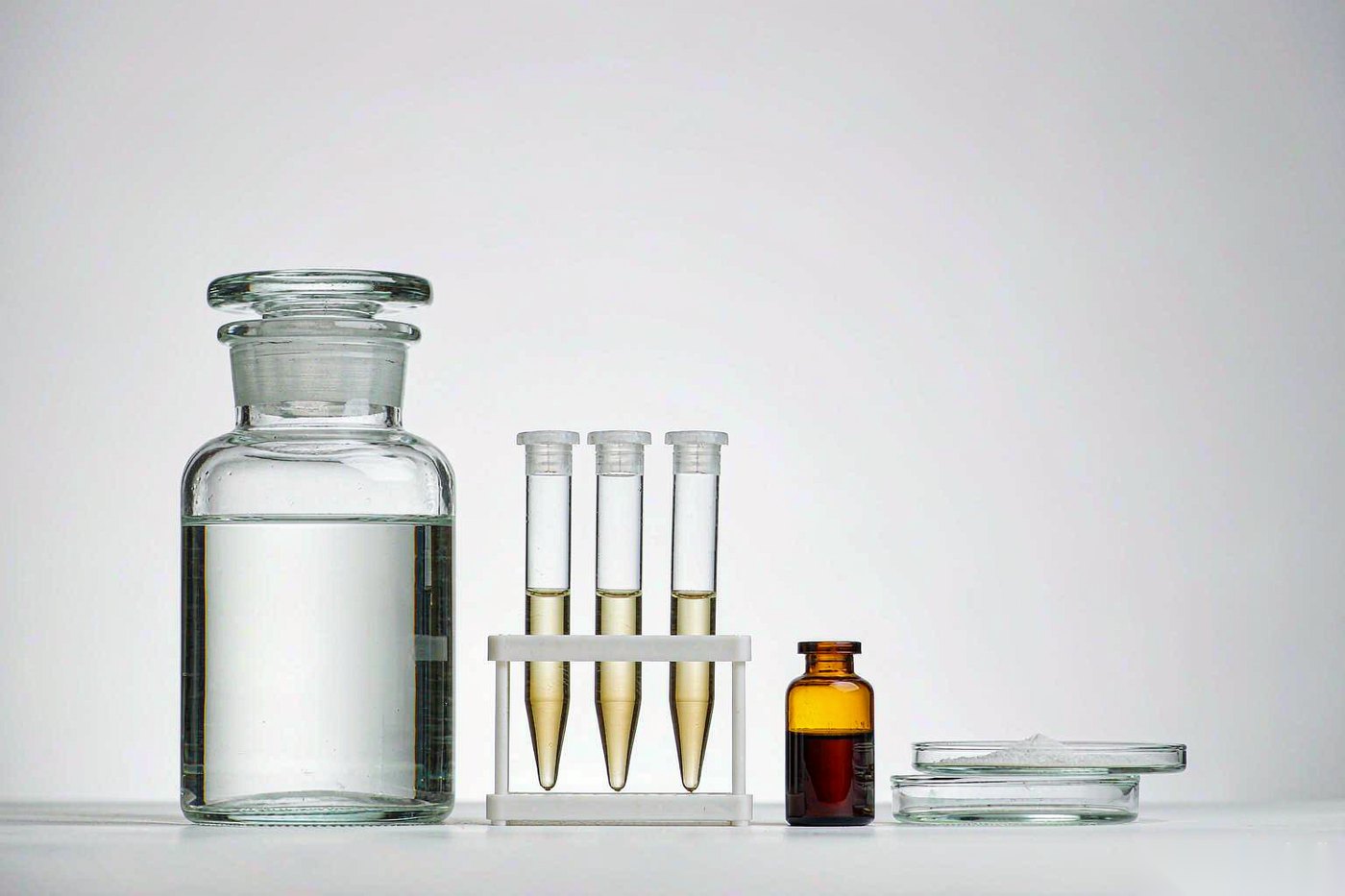
Regulatory methods for pesticides, PAHs, PCBs and other POPs in water begin with large sample volumes — often one litre or more — extracted by liquid-liquid extraction or solid-phase extraction. What leaves the extraction step is therefore a dilute organic solution that must be reduced to 0.5–1.0 mL before it can be injected. Every order of magnitude of volume reduction is an order of magnitude of sensitivity gained.
The constraint is that many target analytes are semi-volatile or thermolabile: boil the extract and the most interesting compounds disappear first. Open evaporation also invites contamination, and solvent quality directly shapes method blanks. Concentration must therefore be fast, closed, temperature-controlled — and supplied with clean inert gas around the clock.
2.THREE PLATFORMS, ONE EXTRACTION CHAIN
| PLATFORM | ROLE IN THE CHAIN |
|---|---|
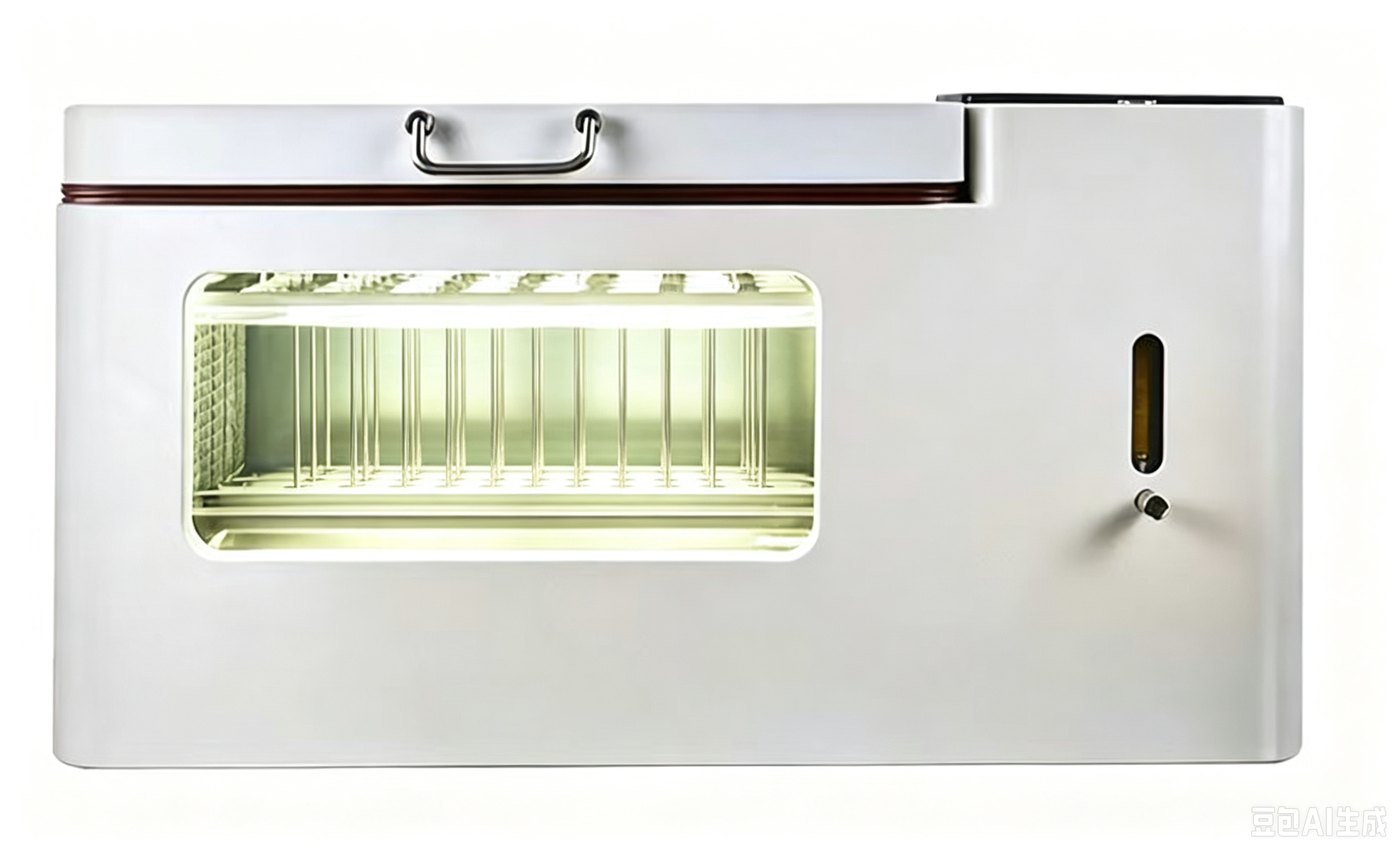
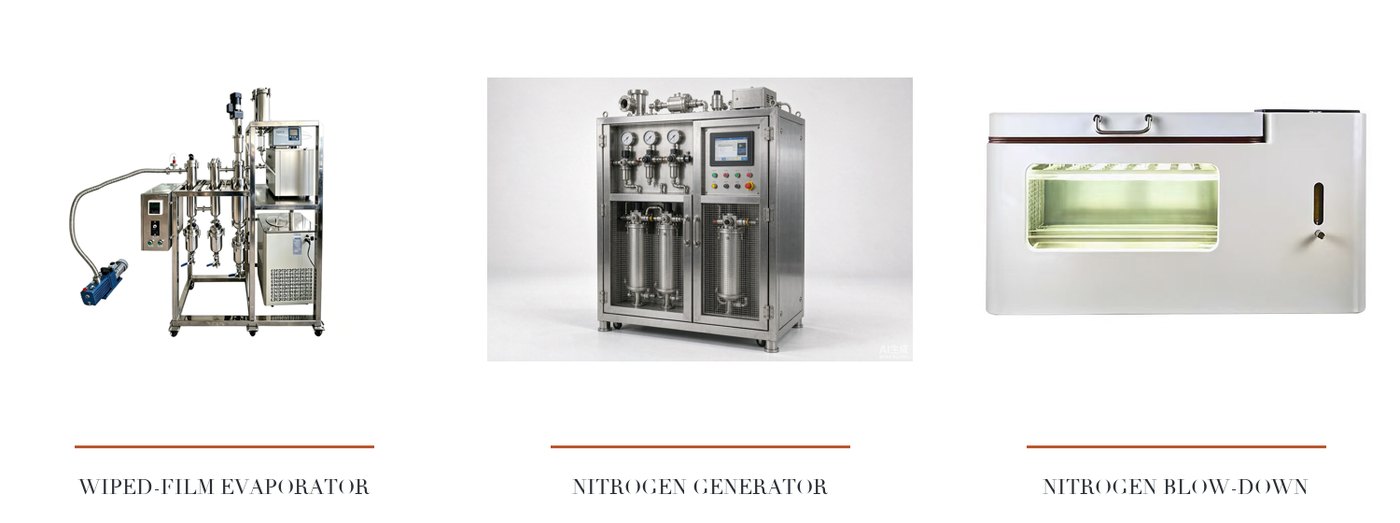
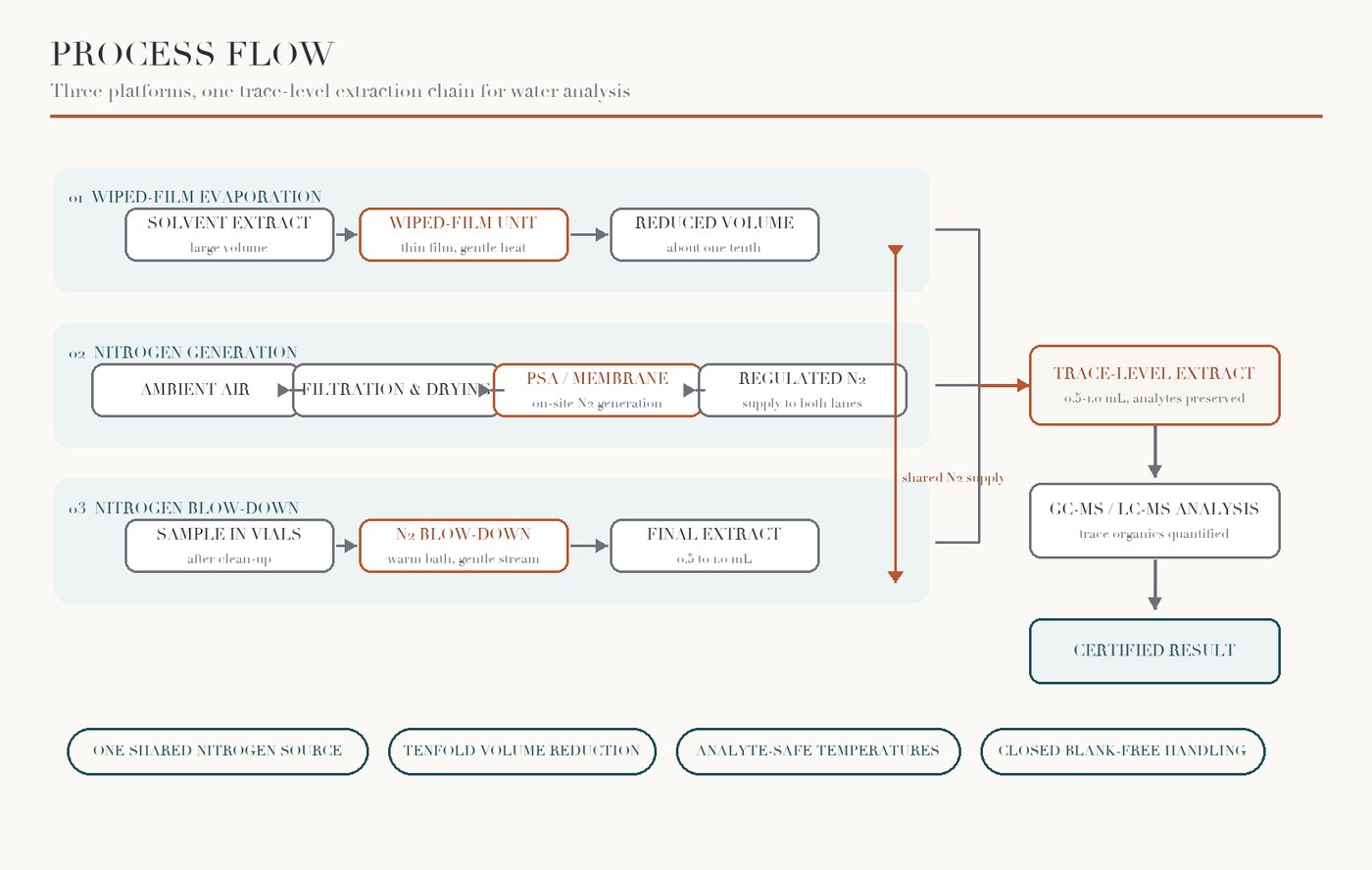
| Wiped-film evaporator | Reduces large solvent volumes early in the chain: a thin, agitated film on a heated wall gives tenfold volume reduction in seconds of residence time, without pushing semi-volatile analytes over. |
| PSA / membrane nitrogen generator | Produces high-purity nitrogen on site from ambient air and feeds both concentration stages — one source, stable pressure and purity, no cylinder logistics in the laboratory. |
| Nitrogen blow-down concentrator | Finishes the job: gentle heated nitrogen above the liquid surface brings each cleaned-up extract to its final volume in parallel across the whole batch. |
3. PROCESS FLOW
4. KEY PARAMETERS AND BENEFITS
| PARAMETER | TYPICAL WATER-ANALYSIS DUTY |
|---|---|
| Sample volume | 0.5–1 L water extracted; 10–50 mL organic extract concentrated |
| Volume reduction | About tenfold on the wiped-film stage, down to 0.5–1.0 mL final |
| Bath temperature | 30–60 °C at blow-down; wall temperature set per analyte suite |
| Nitrogen purity | 99.5–99.9% on site, oil-free and dew-point controlled |
| Typical analytes | Pesticides, PAHs, PCBs, PBDEs and other POPs at ng/L levels |
◆Sensitivity where it counts.Each stage of volume reduction multiplies instrumental response, turning ng/L limits into routinely achievable results.
◆Analyte-safe by design.Seconds of residence time and gentle blow-down temperatures keep semi-volatile compounds in the vial, not on the evaporation wall.
◆Self-sufficient gas supply.On-site nitrogen generation removes cylinder handling, evaporation losses and supply interruptions from the laboratory floor.
Connected as one chain, the three platforms turn water-sample pretreatment from a bottleneck into a routine: extract, reduce, polish, inject — with nitrogen the only utility the laboratory ever needs to worry about.