
Sample Preparation for the Determination of Organic Contaminants in Soil
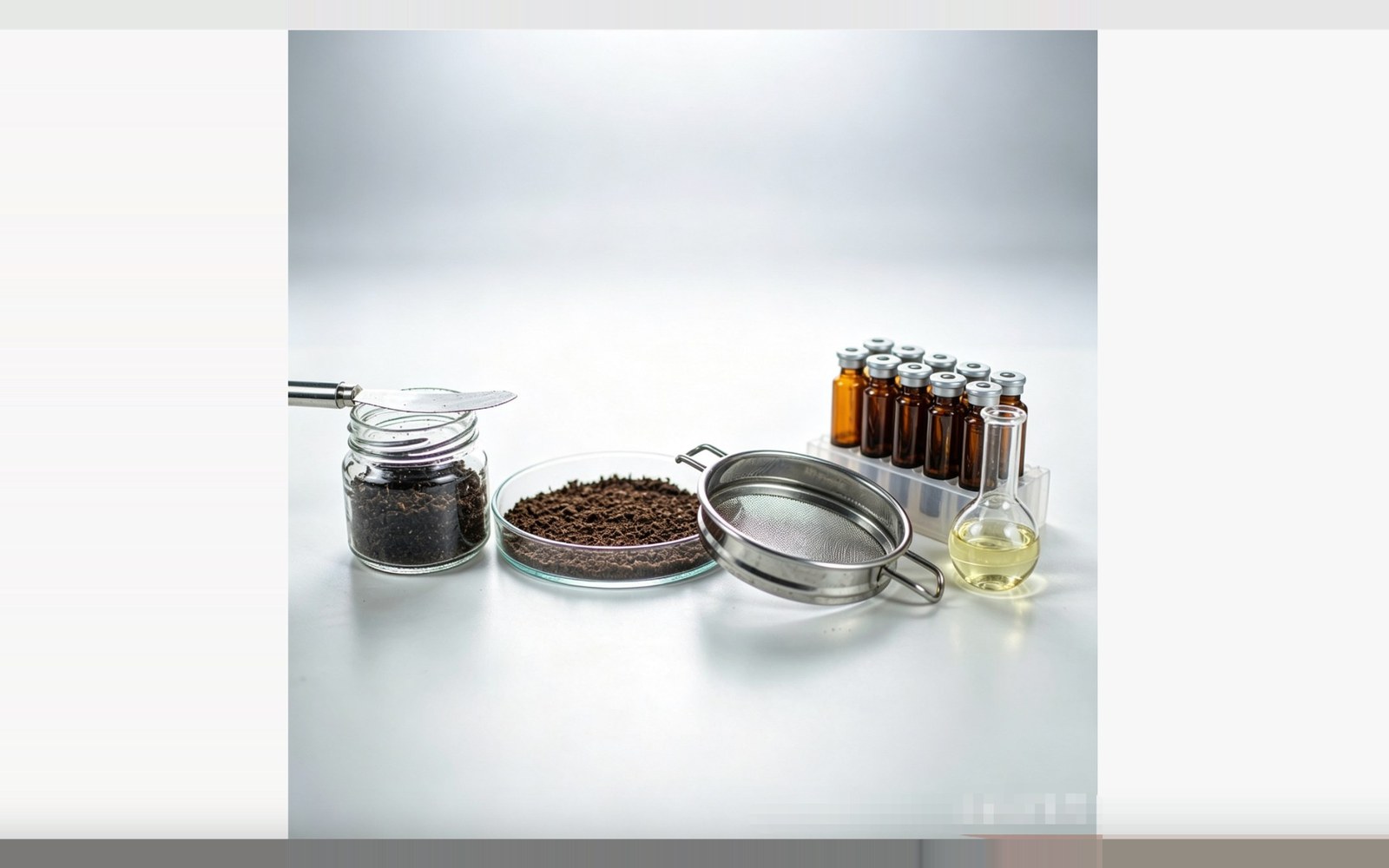
Every certified soil result begins with sample preparation. After extraction and clean-up, the organic contaminants that environmental laboratories must quantify — PAHs, organochlorine pesticides, PCBs and petroleum hydrocarbons — sit in tens of millilitres of solvent, far too dilute for the GC-MS to see. Nitrogen blow-down concentration closes that gap: a gentle, heated nitrogen stream reduces each extract to under one millilitre without degrading the analytes it carries.
THE CONCENTRATION BOTTLENECK IN SOIL TESTING
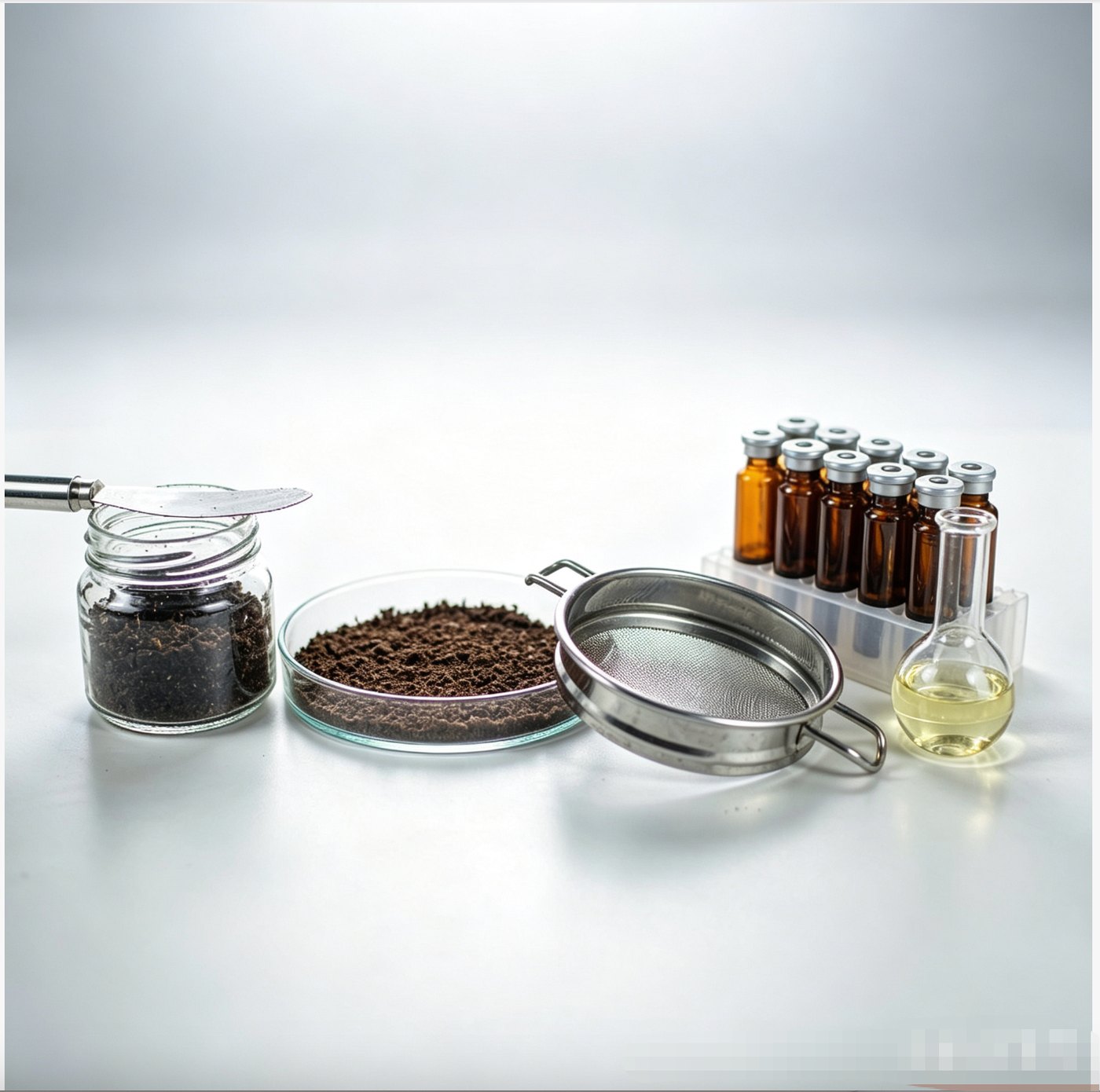
Soil is a demanding matrix: contaminants bind to organic matter and are present at trace levels, so laboratories extract large aliquots with substantial solvent volumes. Regulatory methods for PAHs, pesticides and TPH all end the same way — the extract must be concentrated to a small, precisely known volume before injection. Doing this by rotary evaporation is slow and serial; doing it by open evaporation risks cross-contamination, analyte loss and poor reproducibility, which a certified laboratory cannot afford.
The concentration step therefore sets the pace of the whole laboratory: it must be fast, genuinely parallel, gentle enough for semi-volatile compounds, and clean enough to keep method blanks low from batch to batch.
THE NITROGEN BLOW-DOWN PLATFORM
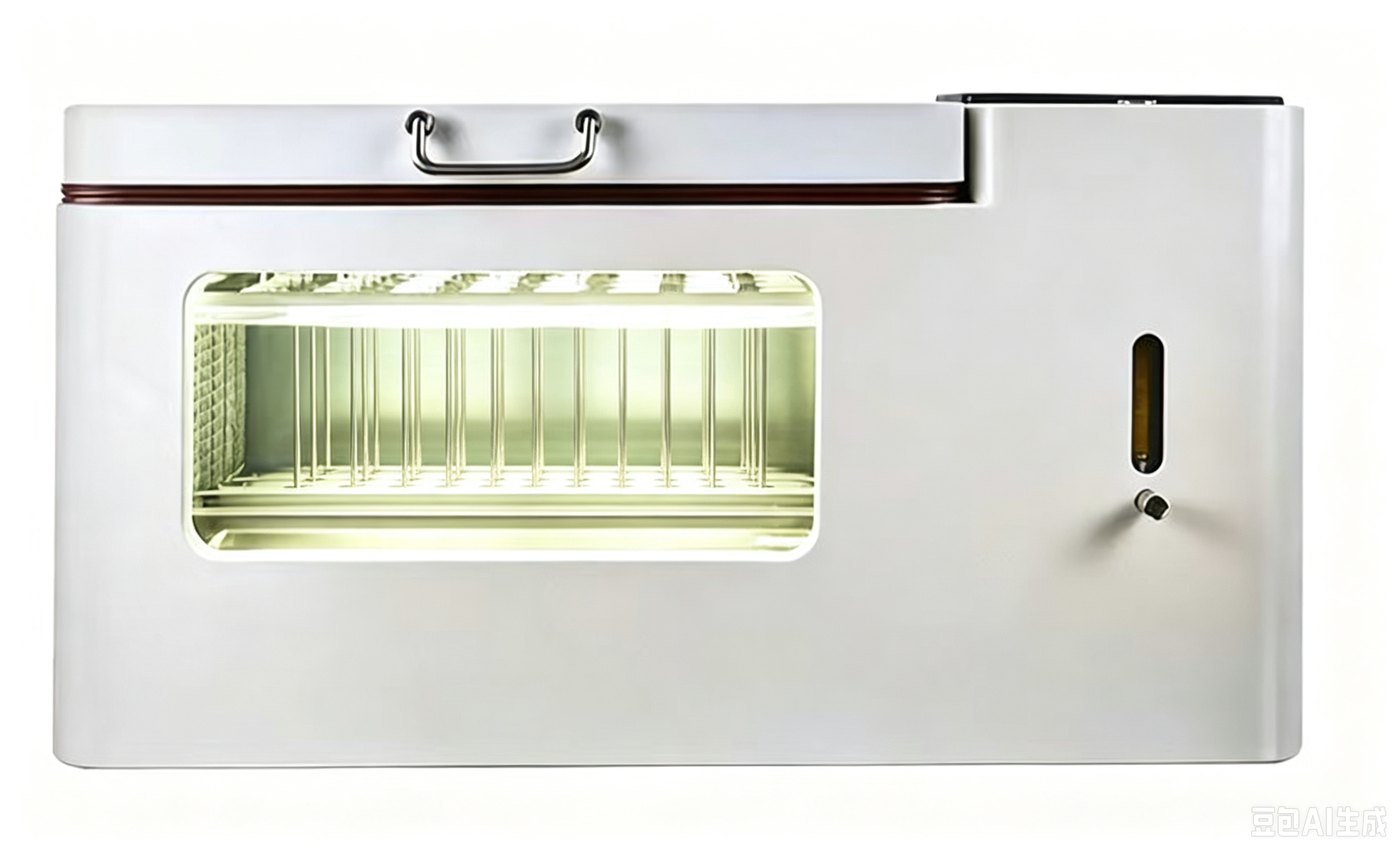
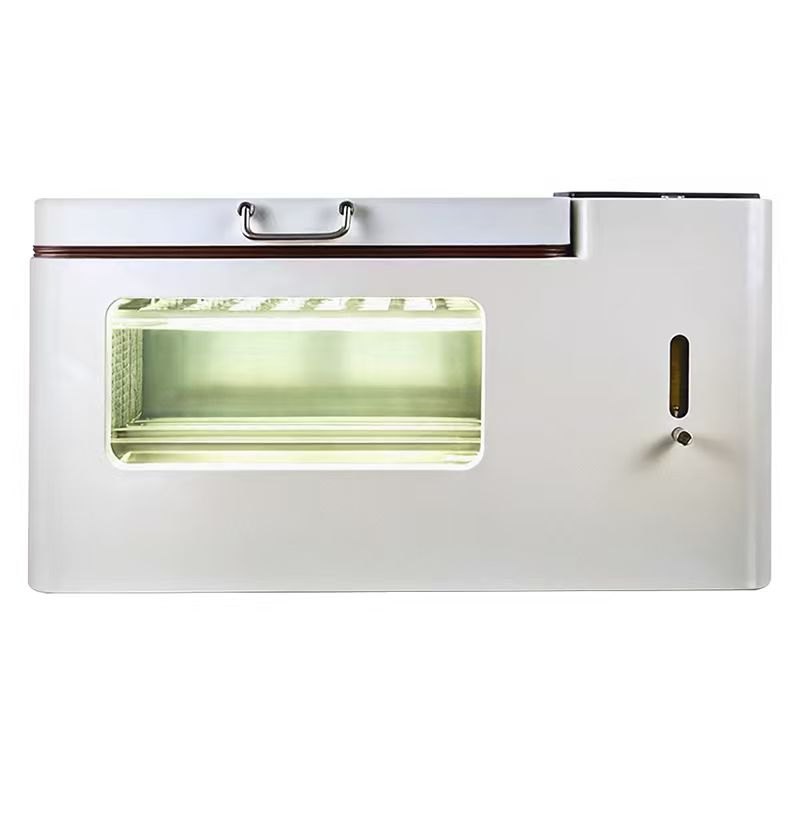
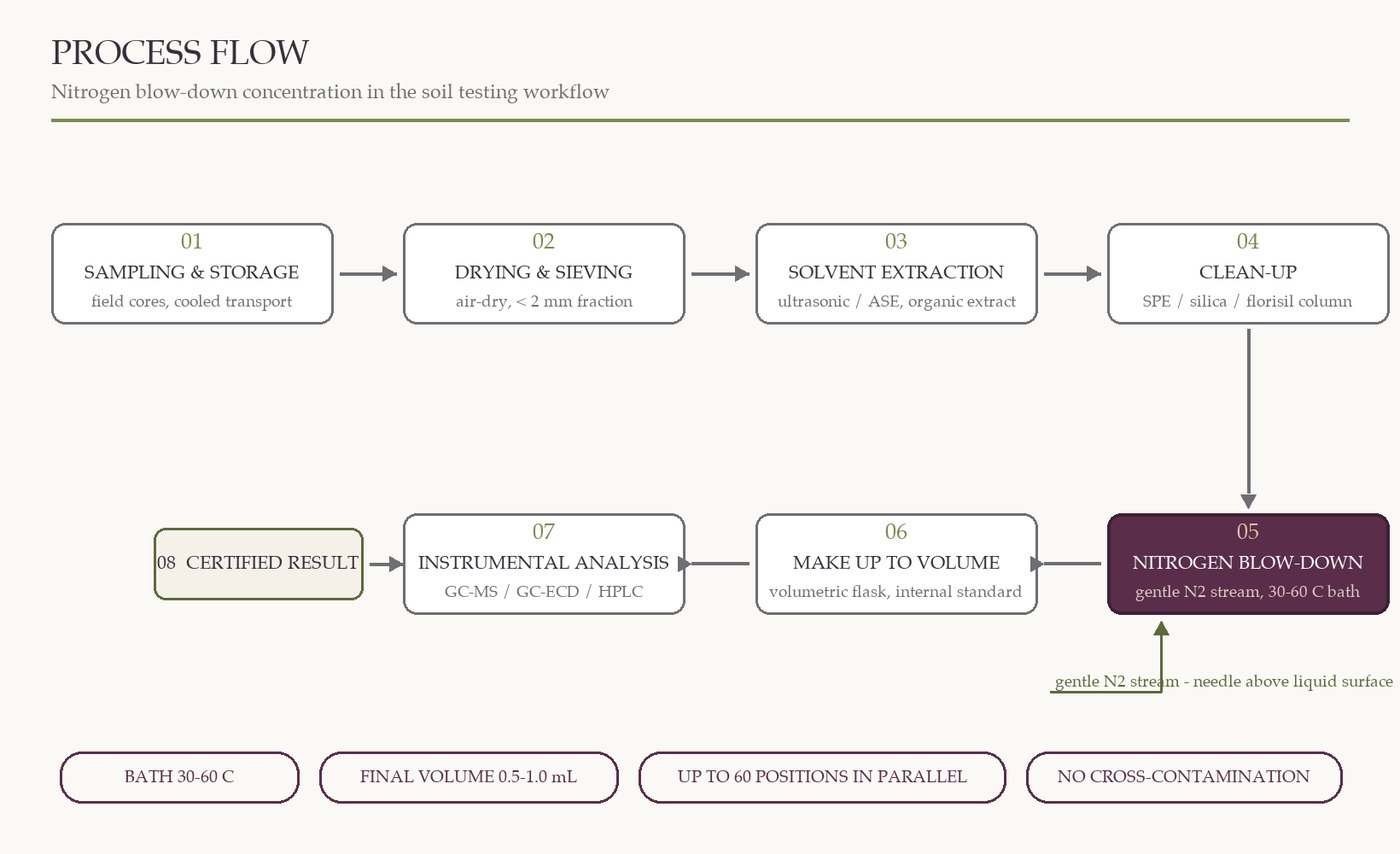
The ANVORE nitrogen evaporator concentrates samples by directing a controlled stream of nitrogen onto the liquid surface while the vials sit in a precisely heated water bath. The nitrogen sweeps solvent vapour away, the bath keeps the solution at a set temperature, and analytes never reach their boiling point — so even semi-volatile compounds are retained.
- Independent needles.Each position has its own gas needle; flow is balanced so every vial finishes at the same time.
- Heated water bath.Digital control from 30 to 60 °C stabilises evaporation rates across the whole rack.
- Needle above the liquid surface.The stream never bubbles through the sample, eliminating splashing and cross-contamination.
- Open vial format.Accepts 1.5 mL vials to large flasks, with racks matched to each method volume.
PROCESS FLOW
KEY PARAMETERS AND BENEFITS
| PARAMETER | TYPICAL SOIL TESTING DUTY |
|---|---|
| Bath temperature | 30–60 °C, digital control, uniform across the rack |
| Nitrogen supply | Lab generator or cylinder, 0.05–0.1 MPa per needle |
| Final volume | 0.5–1.0 mL, near-dry option with solvent exchange |
| Throughput | 12 to 60 positions concentrated in parallel |
| Typical analytes | PAHs, OCPs, PCBs, phthalates, petroleum hydrocarbons |
- Method compliance.Concentration behaviour matches the requirements of standard soil methods for semi-volatile organics, keeping recoveries within acceptance windows.
- Higher laboratory throughput.A single operator concentrates a full extraction batch in parallel, instead of queuing samples one by one on a rotary evaporator.
- Lower blanks, cleaner data.Closed-rack handling and inert gas keep contamination out of trace-level results.
Paired with an ANVORE on-site nitrogen generator, the platform becomes fully self-sufficient: unlimited high-purity gas, stable evaporation conditions and a concentration step that no longer limits the pace of certified soil analysis.