| Application | Low-temperature continuous concentration of water-based colloidal silica (silica sol) |
|---|---|
| Customer | New-materials manufacturer— high-end nanomaterial R&D and production |
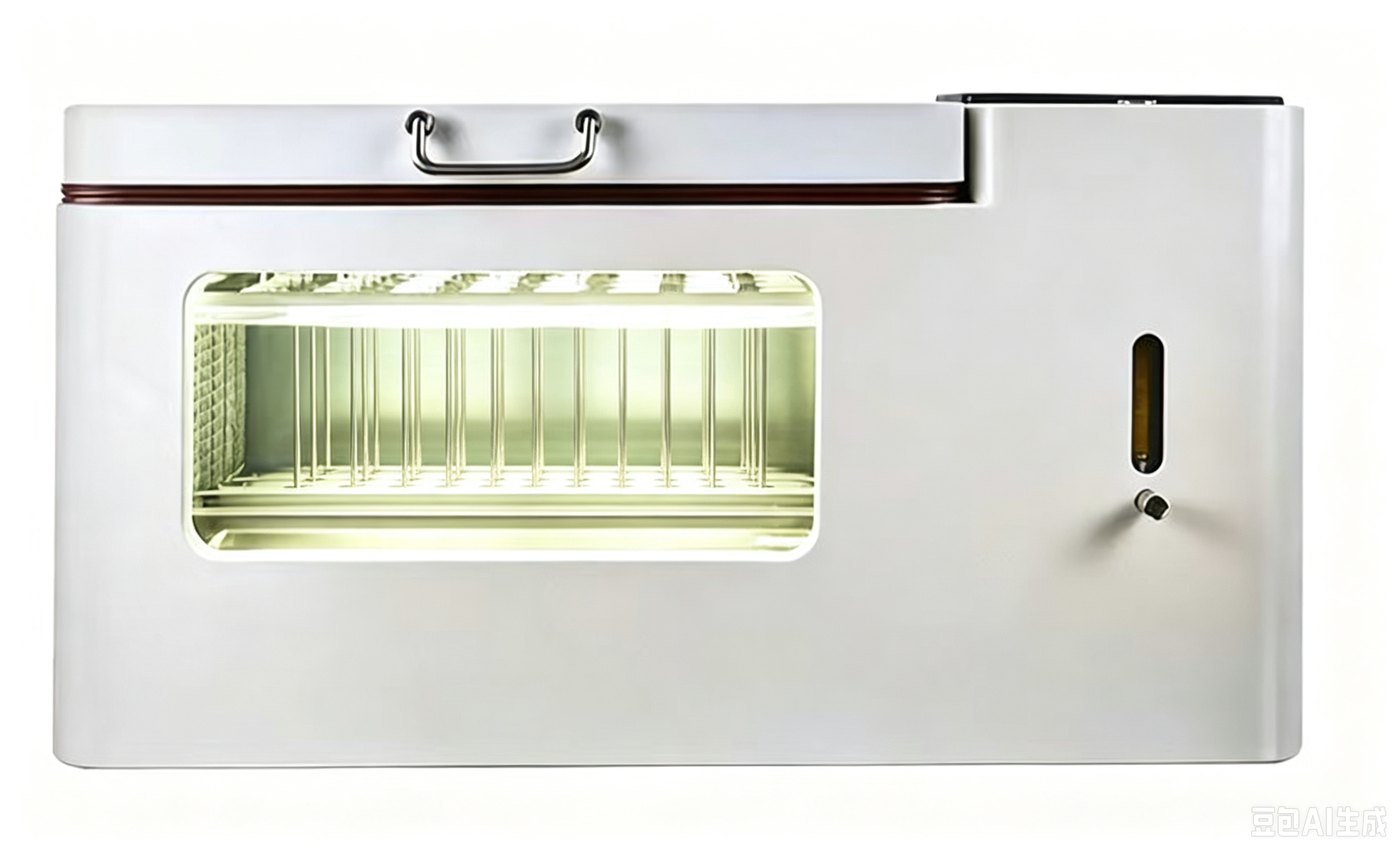
| Equipment | ANVORE 1 m² wiped-film evaporator, all product-contact parts in 316L stainless steel |
| Key Outcomes | No agglomeration · no fouling · stable target solids content · continuous operation · validated scale-up path |
1 About Silica Sol: Material and Market Landscape
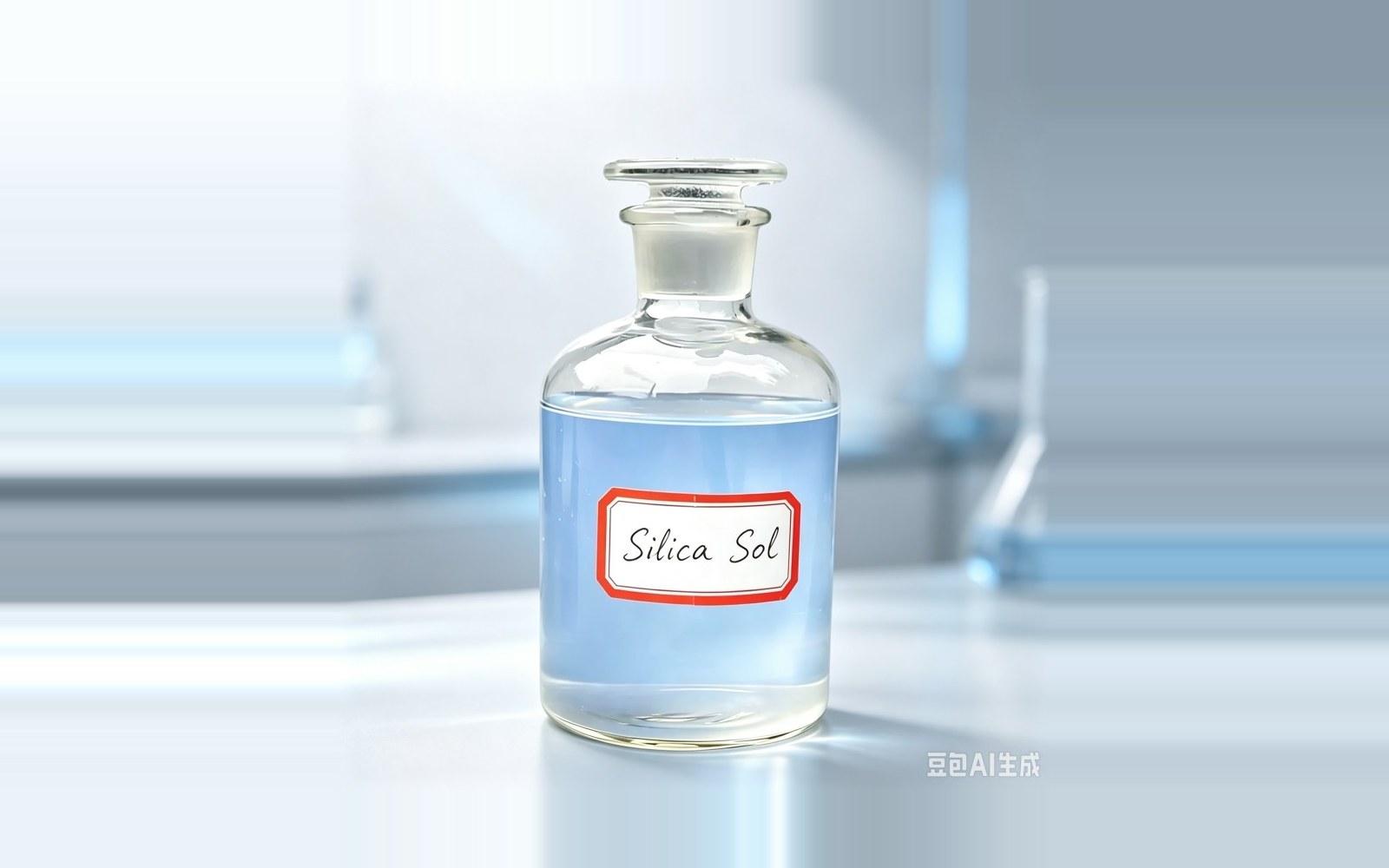
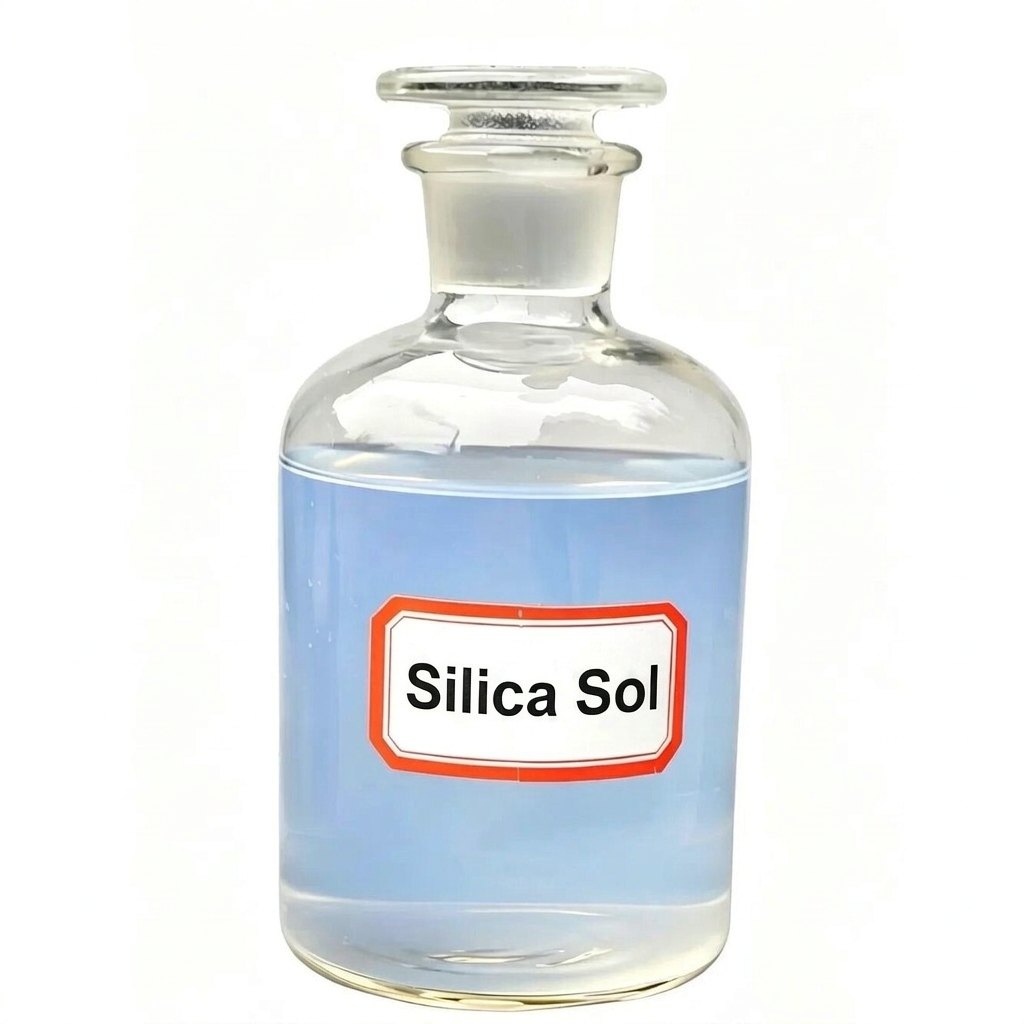
Water-based silica sol is a nanometer-scale colloidal dispersion of amorphous SiO₂ particles in water. Valued for its adhesive, film-forming and thermal properties, it now supports several fast-growing industries — and in every one of them, the quality of the final product depends directly on how the sol is concentrated.
| Industry | Application | Function of Silica Sol |
|---|---|---|
| New Energy | Ceramic coating for lithium-battery separators; catalyst carriers | Dense inorganic protective layer that suppresses thermal shrinkage and improves battery safety |
| Electronics & Semiconductors | CMP slurries for chips and silicon wafers; insulating fillers | Ultra-precision polishing; uniform particle size and high purity |
| Precision Casting & Refractories | Binder for investment-casting shells and refractory materials | High shell strength, good permeability, thermal-shock resistance |
| Coatings & Construction | Inorganic coatings, industrial floors, fire-retardant coatings | Wear, weather, fire and self-cleaning performance |
| Light Industry & Environment | Textile finishing; paper coating; wastewater treatment | Flame retardancy, anti-static behavior, turbidity and heavy-metal removal |
2 The Concentration Challenge
Silica sol is heat-sensitive, prone to foaming, and agglomerates under thermal stress. Four pain points recur across the industry:
- Extreme heat sensitivity. Nanoparticle colloids agglomerate and gel under prolonged high-temperature exposure; batch kettle evaporation routinely damages the colloid and scraps whole batches.Foaming, wall adhesion and fouling. The sol foams readily and deposits on heated surfaces during concentration, degrading heat transfer and forcing repeated shutdowns for cleaning.Low efficiency and poor batch consistency. Limited heating area and uncontrollable parameters produce unstable solids content and inconsistent quality between batches.No viable scale-up path. Pilot-scale and small-batch production requirements cannot be bridged to industrial capacity with traditional equipment.
3 The ANVORE Solution: 1 m² Wiped-Film Evaporator
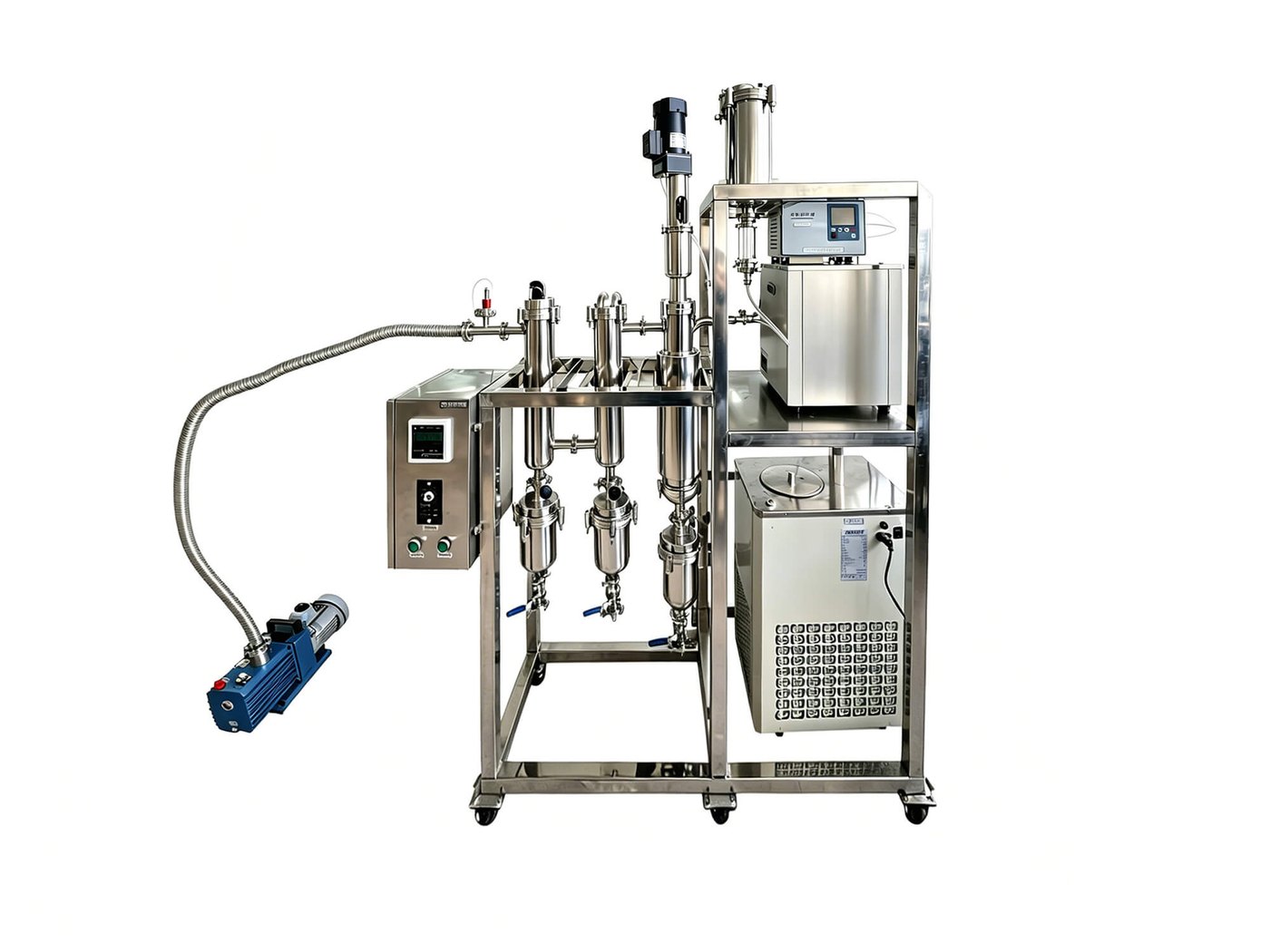
ANVORE engineered a complete low-temperature concentration line around a 1 m² wiped-film evaporator — the golden middle size that serves both small-scale production and process-parameter development.
- Seconds-level residence time. High-speed rotor blades force the feed into a uniform ultra-thin film; heat exposure lasts only seconds, preventing agglomeration at the source.Vacuum-driven low evaporation temperature. Deep vacuum lowers the boiling point of water dramatically; the sol is concentrated at gentle wall temperatures that preserve colloid integrity.Self-cleaning rotor action. Continuously rotating blades sweep the heating surface in real time, suppressing foaming build-up and fouling while keeping heat transfer high.Precisely adjustable parameters. Feed rate, heating temperature and vacuum are independently controlled, so discharge solids content can be tuned for different product grades — batch after batch.316L stainless-steel construction. All product-contact parts in 316L stainless steel meet high-purity standards for nanomaterial production.
4 Complete Concentration Process Flow
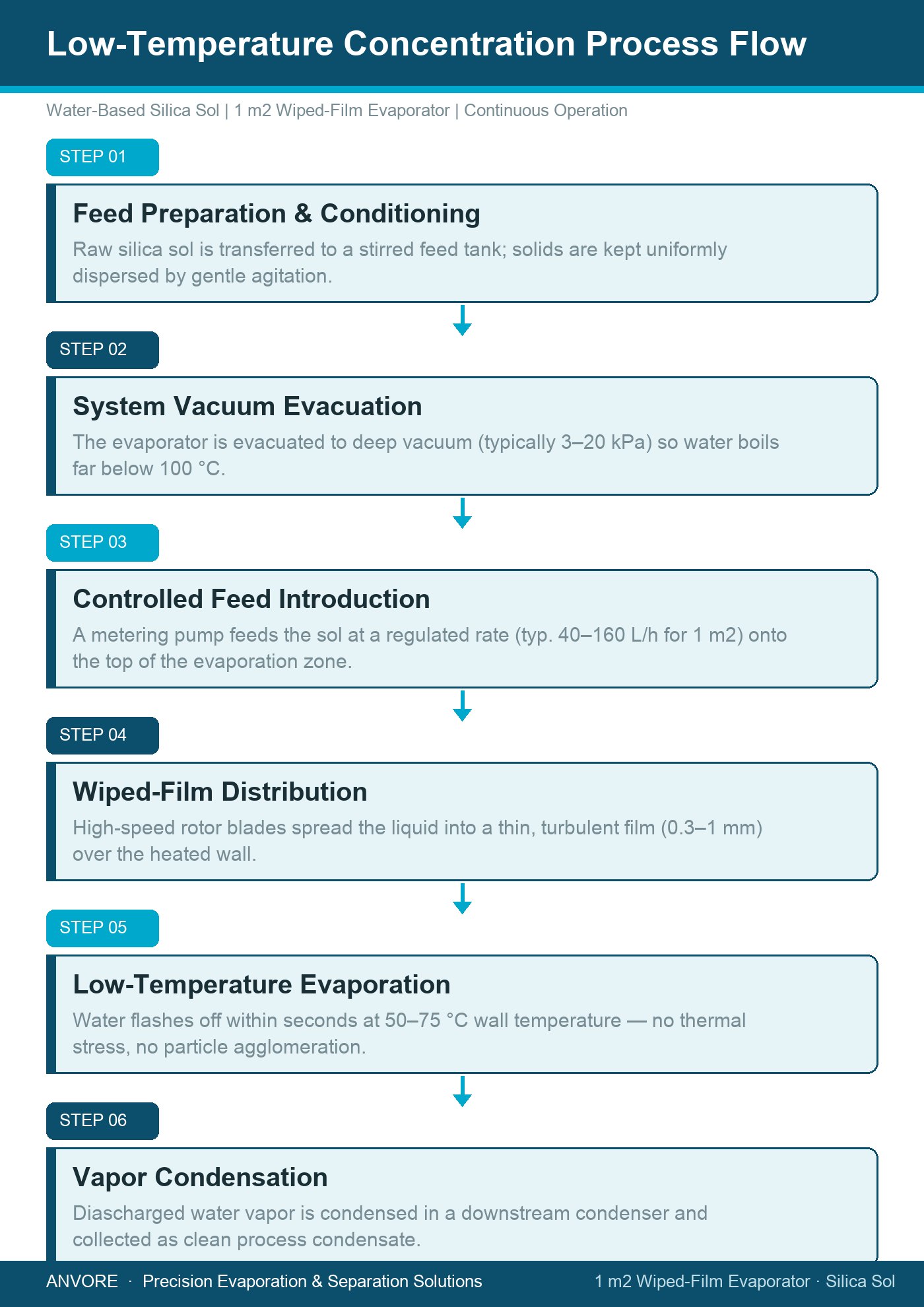
The process runs fully continuously in eight stages:
Step 1 — Feed preparation & conditioning.Raw silica sol is transferred to a stirred feed tank; gentle agitation keeps nanoparticles uniformly dispersed.
Step 2 — System vacuum evacuation.Evaporator and condenser are evacuated to 3–20 kPa absolute, so water boils far below 100 °C.
Step 3 — Controlled feed introduction.A metering pump feeds the sol at 40–160 L/h (for the 1 m² area) into the upper evaporation zone.
Step 4 — Wiped-film distribution.The high-speed rotor spreads the liquid into a thin, continuously renewed film of 0.3–1 mm on the heated wall.
Step 5 — Low-temperature evaporation.Water flashes off within seconds at 50–75 °C wall temperature — no thermal stress, no agglomeration.
Step 6 — Vapor condensation.Water vapor is condensed downstream and collected as clean process condensate for reuse or discharge.
Step 7 — Concentrate discharge.Concentrated sol leaves the evaporator bottom at target solids content; nitrogen blanketing is optional.
Step 8 — Verification & CIP.Solids content is verified in-line; automated clean-in-place keeps the heating surface deposit-free for multi-day runs.
5 Typical Operating Parameters
| Parameter | Typical Value |
|---|---|
| Evaporation area | 1 m² |
| Operating pressure (absolute) | 3–20 kPa |
| Heating-medium temperature | 60–90 °C (hot water / low-pressure steam) |
| Product-side wall temperature | 50–75 °C |
| Feed rate | 40–160 L/h |
| Residence time of product | Seconds |
| Material of construction | 316L stainless steel, PTFE seals |
| Rotor drive | Variable-frequency, field adjustable |
Values shown are typical operating ranges for water-based silica sol; exact set points are tuned during commissioning for each product grade.
6 On-Site Commissioning and Results
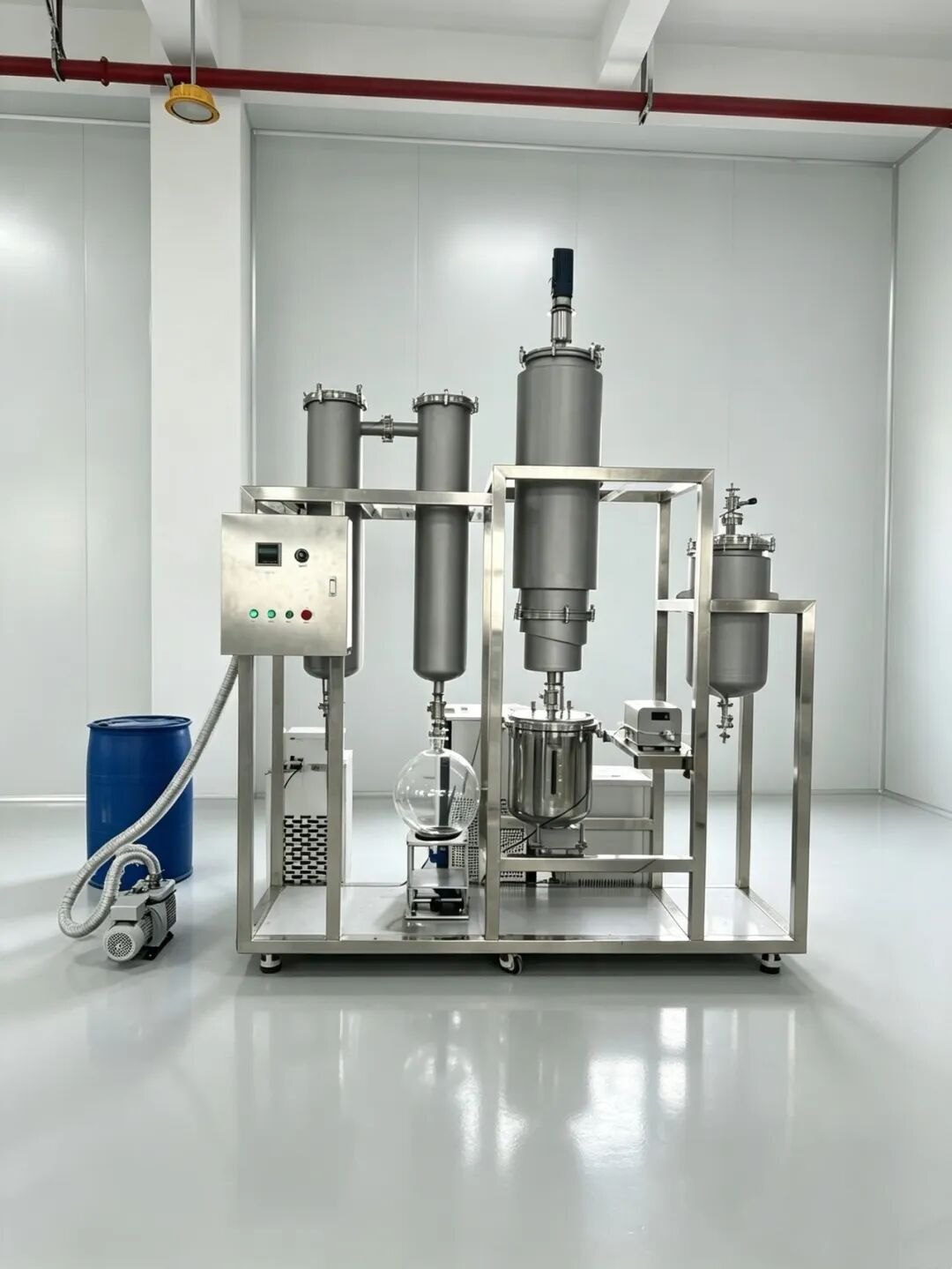
The delivered line was installed and commissioned at the customer's plant. After parameter optimization, the concentration process achieved a comprehensive upgrade:
- Low-temperature, rapid dewatering eliminated agglomeration and degradation; product dispersibility and storage stability are far superior to the previous process.No foaming, wall adhesion or fouling — the system runs continuously with significantly reduced cleaning frequency.Material losses dropped sharply and the first-grade yield rose, effectively controlling production cost.Mature process parameters were locked in, laying a solid foundation for scale-up to full industrial production.
7 Scale-Up Pathway and Recommended Configuration
The 1 m² unit doubles as a process-development platform: parameters validated on this machine transfer directly to ANVORE industrial-size wiped-film evaporators (5–50 m²), enabling smooth, low-risk expansion.
A complete ANVORE delivery typically includes: wiped-film evaporator with rotor and drive, vacuum pump set, condenser and condensate receiver, feed metering system, hot-water heating circulation unit, control cabinet with data logging, and an optional CIP skid — all pre-assembled on a stainless-steel frame for rapid on-site installation.
8 Conclusion
For heat-sensitive, foaming, agglomeration-prone colloidal materials such as water-based silica sol, low-temperature, short-exposure, continuous wiped-film evaporation is one of the most effective replacements for conventional batch evaporation.
ANVORE specializes in wiped-film evaporators and molecular distillation systems from laboratory benchtop units through full industrial plants, and provides customized separation, concentration and purification solutions for silica sol, polymer colloids and fine chemical solutions.
Contact ANVORE to develop a process solution tailored to your material.