
Lab Glass Spray Dryer
Process sequence Filtered air is heated and enters the chamber. The atomizer disperses the aqueous feed into fine droplets, moisture evaporates.
AV-ASD100 glass laboratory spray dryer with single-stage powder collection for aqueous formulations
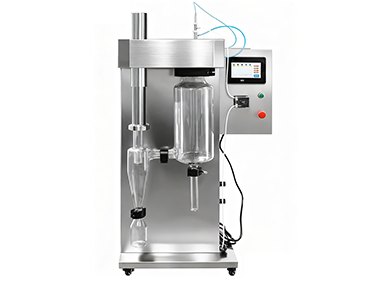
| Built for controlled aqueous spray drying AV- ASD100 is a compact laboratory spray dryer for aqueous solutions, emulsions and suspensions. It combines two-fluid atomization, PID temperature control and an adjustable peristaltic pump with a glass process section and single-stage powder collection. Rapid droplet drying supports development work with heat-sensitive food, pharmaceutical, biological and chemical materials. Recommended use Best for university laboratories, research institutes and formulation teams producing small powder samples from water-based feeds. Process note Final feed compatibility and operating conditions should be confirmed by a process assessment. | AV-ASD100 product configuration |
Six Key Advantages
PRINCIPLE AND TECHNICAL DATA
Process sequence Filtered air is heated and enters the chamber. The atomizer disperses the aqueous feed into fine droplets, moisture evaporates rapidly, and the dried powder is separated and collected. Exhaust air leaves after the recovery stage.
| Ambient air | → | Inlet air filter | → | Electric heater | → | Drying chamber | → | Powder and gas separation |
|---|---|---|---|---|---|---|---|---|
| ↑ | ↓ | |||||||
| Feed solution | → | Peristaltic pump | → | Two-fluid orcentrifugal atomizer | → | Fine droplets | → | Product collectionand exhaust |
Technical Specifications
- Specifications are based on the supplied source document and may change with configuration. Confirm utilities, materials of construction, feed compatibility and compliance requirements before ordering.
| Parameter | Specification |
|---|---|
| Model | AV-ASD100 |
| Process section | Glass; single-stage collection |
| Inlet temperature | 30–250°C |
| Processing range | 0–1,500 mL/h; actual rate depends on feed properties |
| Peristaltic pump capacity | Adjustable; maximum stated feed setting 2,000 mL/h |
| Minimum sample volume | 50 mL |
| Temperature control | Real-time PID; inlet and outlet temperature display; ±1°C |
| Typical drying time | 0.8–1.0 s |
| Atomization | Two-fluid nozzle with built-in oil-free compressor |
| Nozzle sizes | 0.5 / 0.8 / 1.0 / 1.2 / 1.8 mm; custom sizes available |
| Display | 7-inch color touch screen |
| Displayed parameters | Inlet temperature, outlet temperature, pump speed, airflow and nozzle-cleaning frequency |
| Automatic shutdown | Fan stops automatically when inlet temperature falls below 30°C |
| Power supply | 3.8 kW; 220 V or customized |
| Overall dimensions | 770 × 590 × 1,380 mm; L × W × H |
Application Areas
- Suitable applications depend on feed chemistry, solids content, required powder characteristics and site operating controls.
- Application photographs are representative industry scenes and are not installation records.

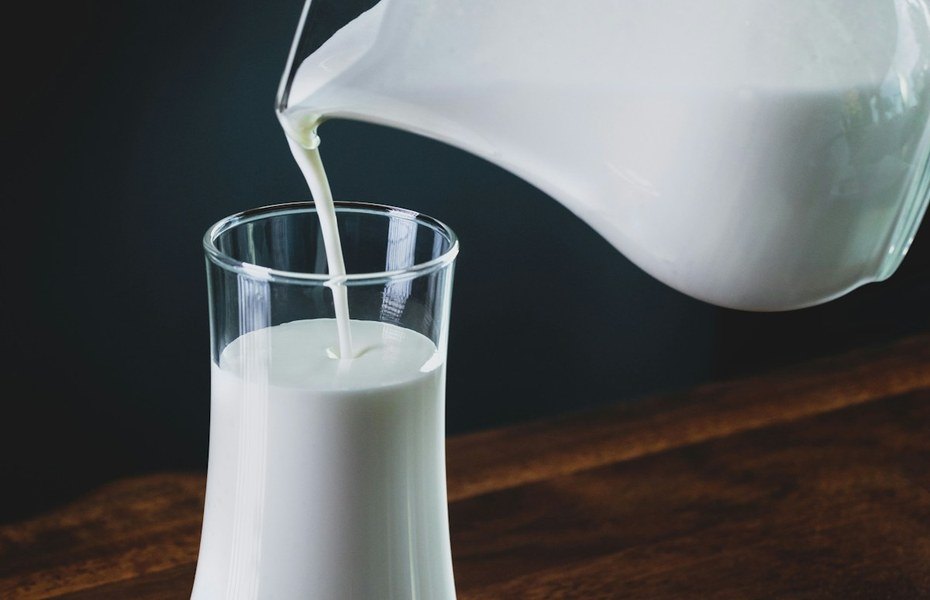


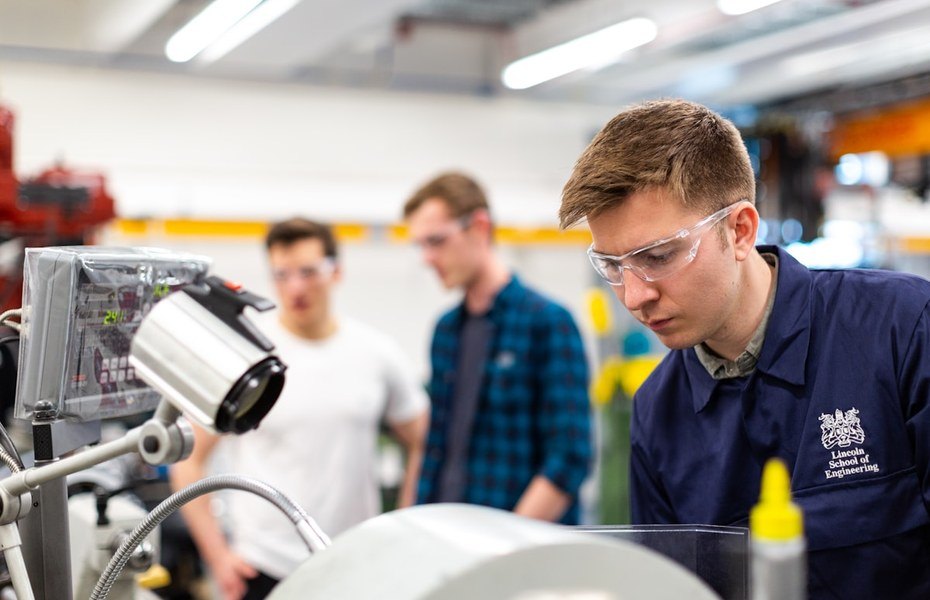
| Food and Beverage Powders Coffee, flavors, drink bases and other water-based formulations. | Dairy and Proteins Milk, whey, protein and nutrition formulation development. |
|---|---|
| Pharmaceuticals and Biologics Aqueous formulation, excipient and biological material research. | Plant Extracts and Enzymes Botanical extracts, enzymes and heat-sensitive ingredients. |
| Pigments and Fine Chemicals Water-based dispersions, colorants and specialty chemicals. | Ceramics and Advanced Materials Functional powders, ceramics and material-development slurries. |
More Spray Dryer
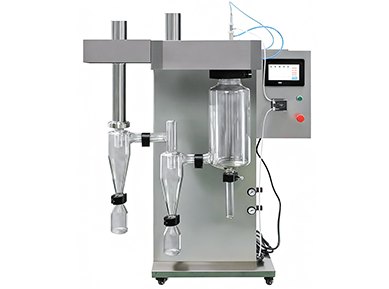 AV-ASD100S
Two Stage Laboratory Glass Spray Dryer
Process sequence Filtered air is heated and enters the chamber. The atomizer disperses the aqueous feed into fine droplets, moisture evaporates.
View Product →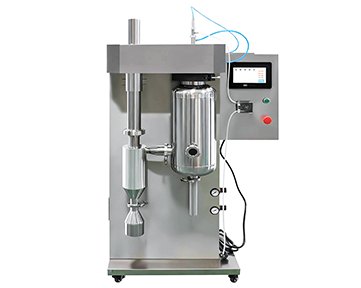 AV-ASD200
Stainless Steel Lab Spray Dryer
Process sequence Filtered air is heated and enters the chamber. The atomizer disperses the aqueous feed into fine droplets, moisture evaporates.
View Product →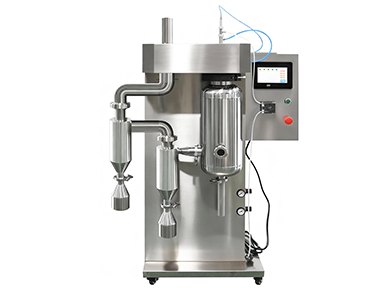 AV-ASD200S
Dual Stage Stainless Steel Laboratory Spray Dryer
Process sequence Filtered air is heated and enters the chamber. The atomizer disperses the aqueous feed into fine droplets, moisture evaporates.
View Product →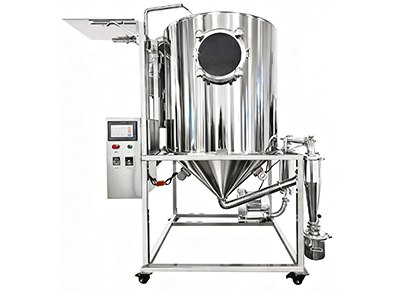 AV-ASD3L
Spray Drying Equipment
Process sequence Filtered air is heated and enters the chamber. The atomizer disperses the aqueous feed into fine droplets, moisture evaporates.
View Product →AV-ASD5LCentrifugal Spray Dryer
Process sequence Filtered air is heated and enters the chamber. The atomizer disperses the aqueous feed into fine droplets, moisture evaporates.
View Product →Spray Dryer
A standard spray dryer atomises the feed and brings the droplets into contact with a stream of heated air inside a drying chamber. Water evaporates from the surface of each droplet
Learn More →